.png)


I only ate YouFoodz for a week! My realistic*, unsponsored review

Updated: Mar 1, 2020
With getting back into the hustle and bustle of life following Christmas and New Year's everything can often feel out of balance! I know for me, this was the case. I had graduated
from university (yay!), been travelling to visit family and was constantly pumping out job applications in the hopes of landing my dream position. This didn't leave much time for meal preparation, and with some of Australia's most known meal delivery companies offering specials and discounts in the new year, I decided to give one a go.
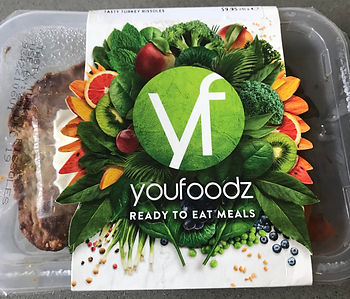
I'd often seen YouFoodz advertised as the pre-made meal delivery service for fit people, busy people and millennial hustlers. As I saw myself fitting into all three of these categories, I decided to place an order.
* For the purpose of this review, images are not styled or enhanced. I've done this to give you a realistic look at what the presentation of the meals is like when they are delivered to you.
Cost:
I chose to try their 'Clean' meals range, where each meal is under 350 calories (1460kJ). The cost of each meal started at $5.90 per meal during the Christmas promotional period.

The regular price per meal is $7.95 - $9.45, which is on the higher end of pre-made meal prices, compared to supermarket options. If the normal pricing is outside of your budget and you want to give it a go, don't worry, they often have promotions. I've found the best way to be notified is by signing up to their mailing list.
Nutritional Adequacy of Meals:
This wouldn't be a dietitian's blog post without a little bit of nutritional analysis, am I right?

As you can see from the table above, each meal is similar in energy, protein and fiber content. The big variants exist between the amount of fat and sodium of each meal. These are important things to take note of, particularly if you are a diabetic or have a heart related condition. This is why I suggest checking the nutritional information of each meal before making your purchase.
The Pros:
Adequate portion sizes.
Single served meals are perfect for singles!
Convenient option for meals.
Nutritional information for each meal is available on the website
The meals taste great!
A variety of main protein options can be purchased: turkey, fish, lamb, eggs, beef, chicken.
Biodegradable and recyclable container packaging.
The texture of the meals is perfect. They were not overcooked at all!
Larger portion sized meals are available for people with higher energy requirements.
Long shelf life: Most of the meals last 7-10 days after delivery, but always check the use by date!
The sauces come in portion controlled packages separate to the meal.
Reheating time is ~2 minutes. Perfect after a busy day when you don't feel like cooking.
The meals can be frozen for later use.
The Cons:
Sodium content: Within most meals available, sodium is greater than 500mg per serve, with some such as the portugese chicken, containing greater than 1400mg. As adults, we should be aiming to keep our sodium intake below 2000mg (NHMRC, 2017). One of the best ways to do this, according to the Heart Foundation (2020), is to choose meals with greater than 400mg of sodium per 100g. I have provided below an example of how to check this on a nutritional information panel, using the Cajun Baked Fish & Chips as an example. As you can see, this is not a healthy option due to the sodium content per 100g being greater than 400mg.

Cost: As I mentioned earlier, the cost of each meal outside of promotional periods is on the upper end of the price of pre-made meals. It's up to you to weigh up how important convenience is to you versus cost. Keep an eye out for my blog post coming soon on affordable supermarket pre-made meal options!
Lack of vegetable variety: Most meals contain the same vegetables (sweet potato, broccoli, beans, peas, potato). Currently the range is expanding to include coleslaw and mushrooms in some meals, but we need more variety!
Lack of vegetarian and vegan options.
Lack of catering for dietary requirements, such as gluten free and lactose free.
Recommendations:
Check the sodium and energy content of meals before purchase: On the site you can search by three different energy content groupings. This is great for people who may be on energy restricted meal plans. However, at a glance you can not view the sodium content of each meal, and have to check them individually.
Ditch the pre-packaged sauces to lower the sodium, sugar, fat and energy content of meals. You can stock up your cupboard ahead of time with great alternatives from the supermarket. Masterfoods now makes a barbeque and tomato sauce with reduced salt and sugar.
Because of the high sodium content of these meals, try to only consume a maximum of two of these meals per day.
References:
National Health and Medical Research Council (NHMRC). (2017). Sodium. Nutrient Reference Values for Australia and New Zealand https://www.nrv.gov.au/nutrients/sodium
Heart Foundation. (2020). Salt and Health. Food and Nutrition. https://www.heartfoundation.org.au/healthy-eating/food-and-nutrition/salt

Comments